The electrochemical stability window of a battery system is the range of voltages or electrochemical potentials between which the materials that make up the system remain electrochemically stable. In the case of electrolyte solvents, they are neither significantly oxidized at the cathode nor reduced at the anode. If the cell voltage goes beyond this window (either too high or too low), the electrolyte can decompose: at high voltages, electrolyte components may oxidize (break down and produce gases or other byproducts); at low voltages, they may reduce (leading to things like plating of lithium metal or forming solids). Similarly for NMC cathode materials, if the voltage goes too high, the material becomes thermodynamically unstable which may lead to oxygen release, transition dissolution, and structural rearrangement. For a lithium-ion battery with a typical organic carbonate electrolyte, NMC cathode and graphite anode, the stability window is roughly up to about 4.2–4.3 V on the high end; beyond that, the electrolyte starts oxidizing at the cathode. On the low end (close to 0 V vs. Li/Li+), the electrolyte reduces at the anode, depending on how well the SEI layer protects the anode surface. Improving the stability window could allow for higher energy density batteries (by pairing electrodes that operate at more extreme potentials).
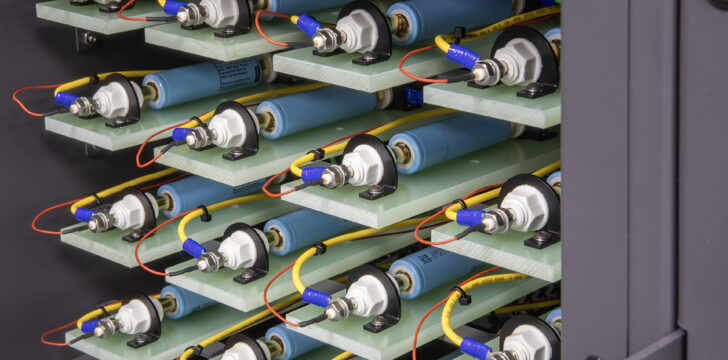
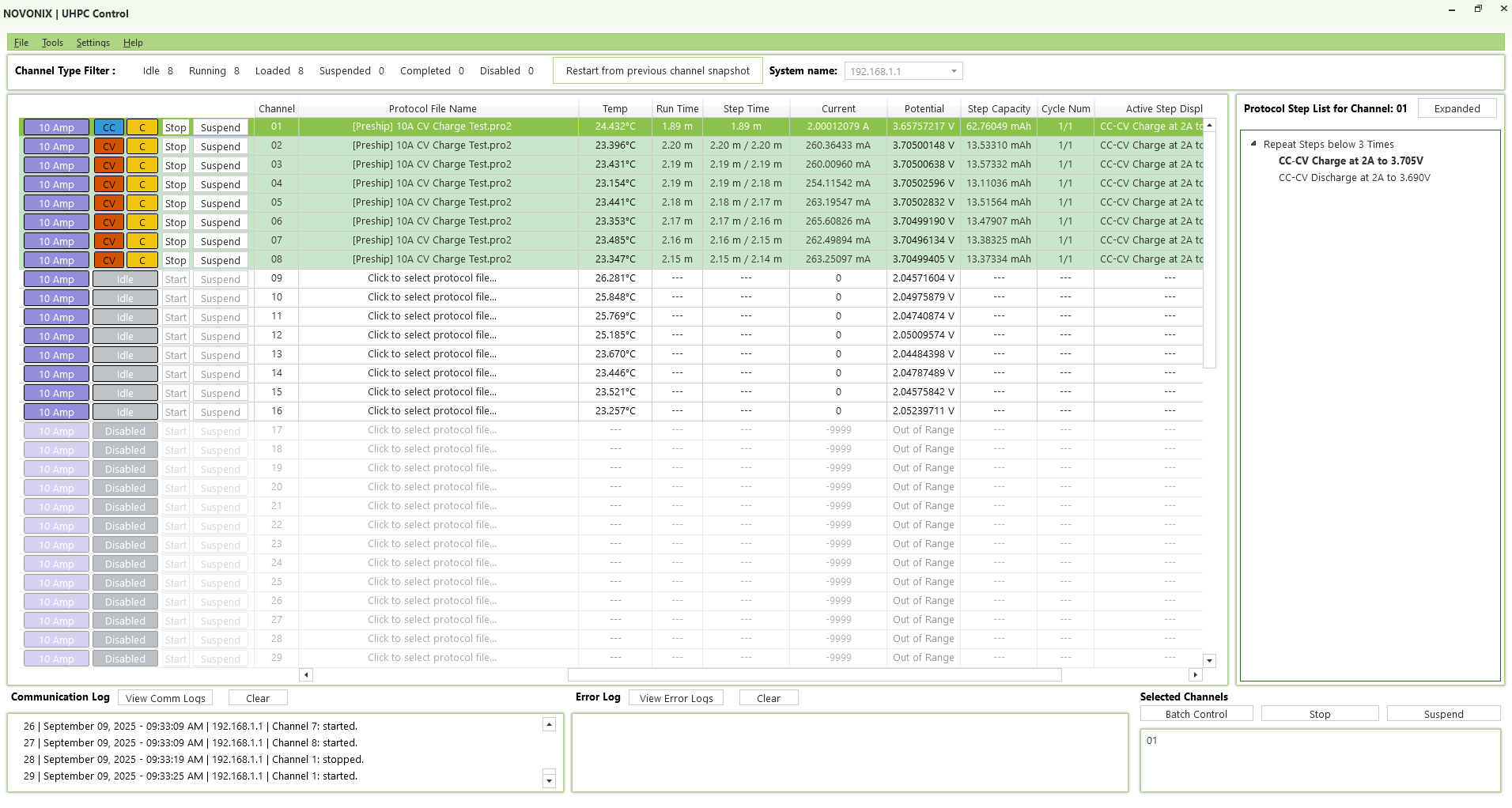
NOVONIX tests electrolytes and additives to extend the stability window. By formulating electrolytes with new solvents, salts, or protective additives, they aim to support high-voltage cathodes (like those charging to 4.4 V or above), over a wide operating temperature range, without excessive electrolyte breakdown. This involves cycling cells using NOVONIX Ultra-High Precision Calorimetry testing equipment to higher voltages and analyzing the cycling data for indications of electrolyte degradation such as Charge Endpoint Capacity Slippage, plus using analytical techniques to see when and how the electrolyte fails. Their work can include gas analysis to understand the decomposition products. Ultimately, by pushing the electrochemical stability window further, NOVONIX helps enable batteries with higher energy content and better safety margins.