Charge retention, often referred to as self-discharge performance, is a measure of how well a battery can maintain its stored charge when not in use. All batteries will slowly lose charge over time due to internal chemical reactions, even when disconnected from any device. This capacity loss is referred to as self-discharge. Self-discharge mechanims can either be reversible (do not consume lithium inventory/capacity), or irreversible (consume lithium inventory or capacity). Good charge retention means the battery loses very little charge when sitting idle; poor charge retention means it will noticeably drain itself over weeks or months. Factors affecting charge retention include the battery chemistry, temperature (batteries self-discharge faster at higher temperatures), and the age or condition of the battery (degraded cells often have higher self-discharge rates).
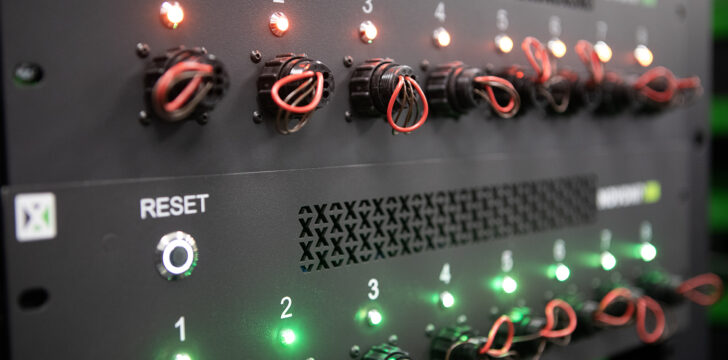
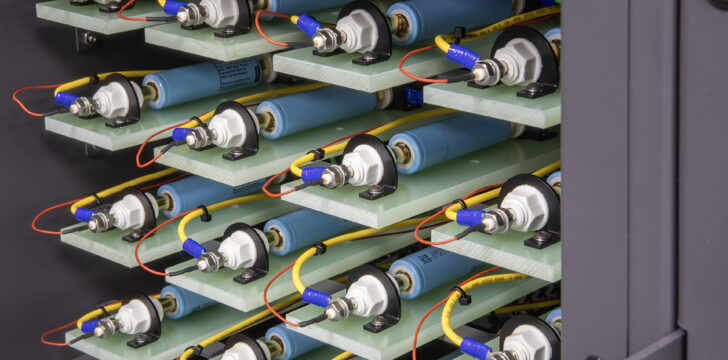
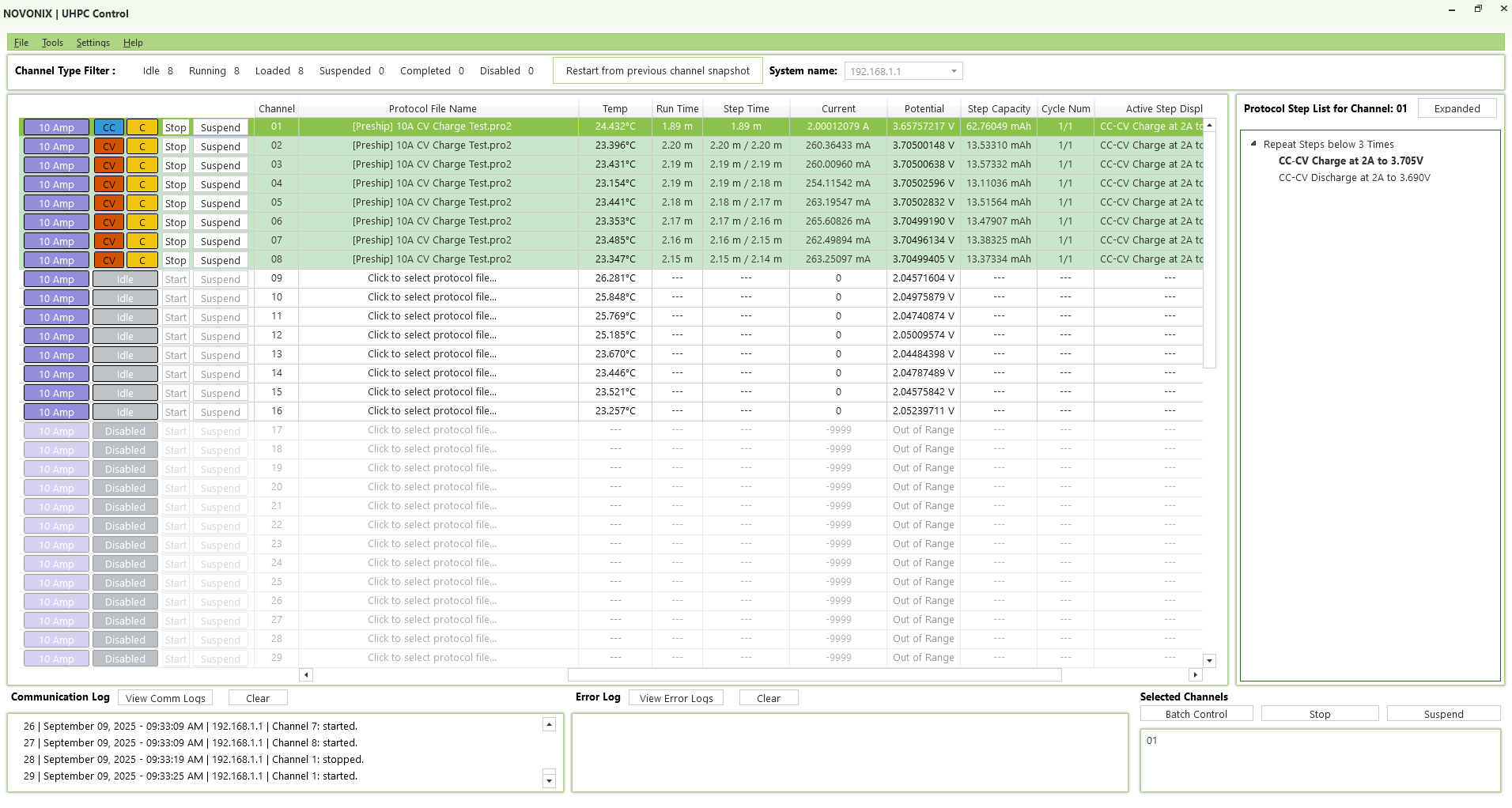
NOVONIX evaluates charge retention as part of its battery performance tests by charging cells and then storing them (for example, at various temperatures) and periodically measuring the remaining capacity or voltage. For example, by examining the different charge retention capabilities of different cells, NOVONIX can support battery manufacturers with cell or material selection and cell failure analysis. Ensuring excellent charge retention is especially important for batteries in devices that may sit unused for extended periods and for grid storage applications where efficiency over time is crucial.