Lithium Nickel Manganese Cobalt Oxide (LiNi_xMn_yCo_zO₂), commonly abbreviated as NMC, is one of the most widely used classes of cathode materials in lithium-ion batteries, particularly for electric vehicles and portable electronics. NMC is actually a family of materials; the subscripts x, y, z denote the fraction of each metal and typically sum to 1. For example, NMC111 is Ni:Mn:Co in 1:1:1 ratio, NMC622 is 6:2:2, NMC811 is 8:1:1, and so on. By adjusting these ratios, manufacturers tune the performance: higher Ni generally increases energy density (capacity) but can reduce stability, while higher Mn may improve stability, and Co helps stabilize the structure and improve rate capability. NMC offers an excellent balance of energy density, cycle life, thermal stability, and safety which is why it’s so prevalent. NMC811 and other high-nickel variants are seeing increased use for higher energy EV batteries.
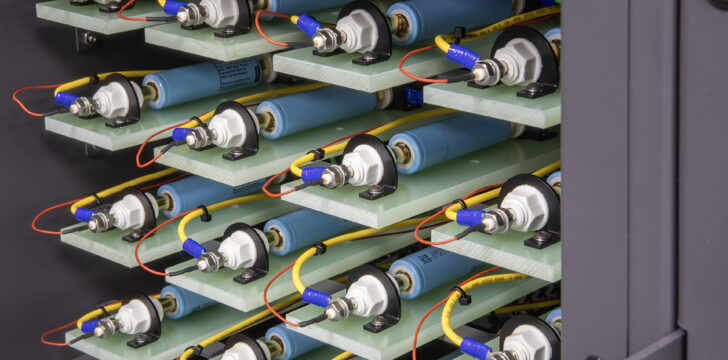
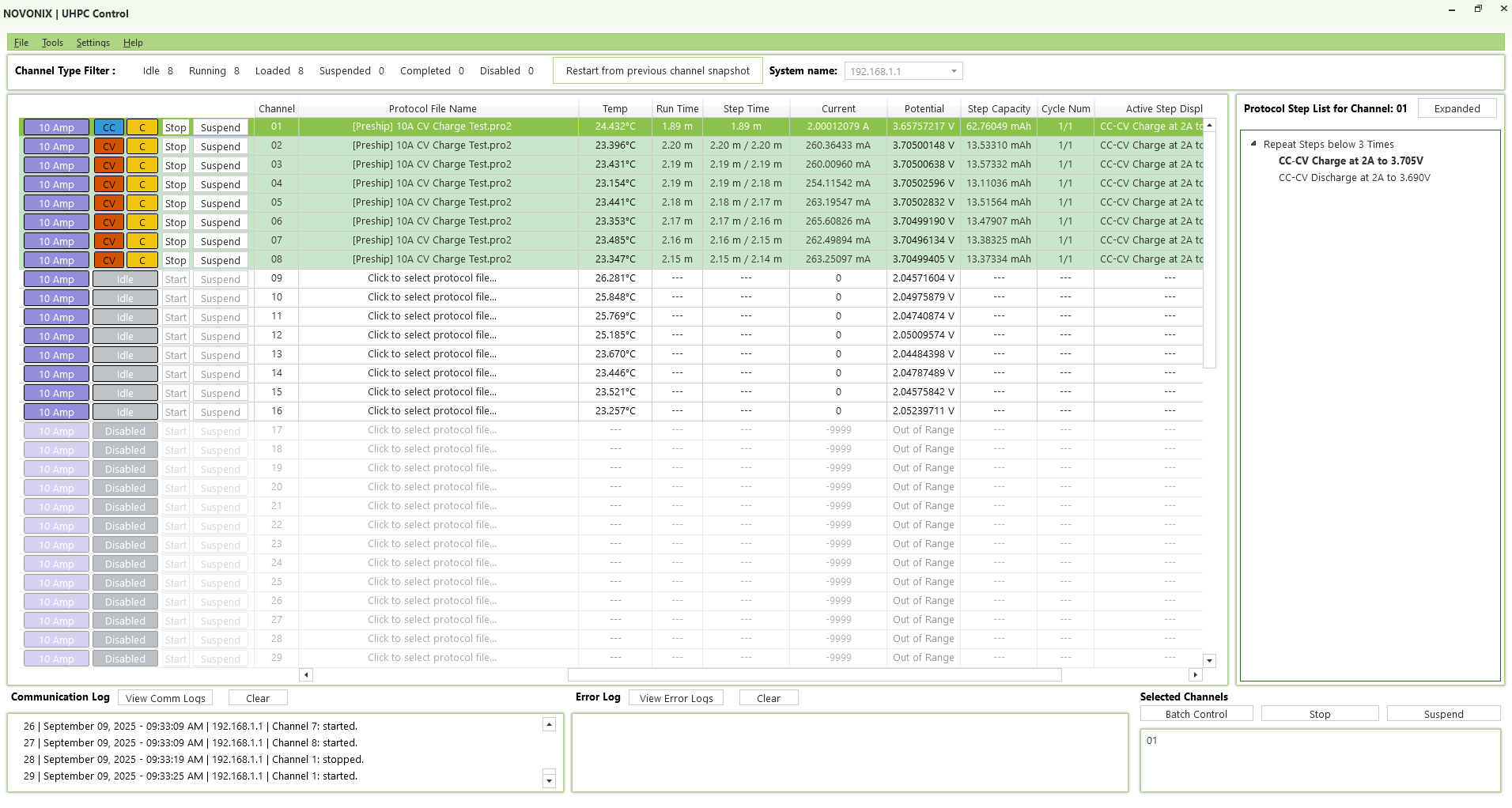
NOVONIX works extensively with NMC cathode materials using its patented all-dry, zero-waste cathode synthesis process. They test cells with various NMC formulations to see how changes in Ni:Mn:Co ratio affect performance metrics like capacity fade, internal resistance growth, and thermal runaway onset. High precision coulometry helps them see how a new NMC chemistry (say with some Co replaced by aluminum, or a new doping or surface coating) improves or worsens long-term cycling. Additionally, NOVONIX examines how NMC interacts with different electrolytes; high-Ni NMC, for instance, often benefits from protective coatings or electrolyte additives to reduce cracks and surface reactions. When clients develop next-gen NMC (maybe aiming for even higher Ni or adding other elements), NOVONIX’s equipment can validate if those changes deliver the desired improvements. Their experience with synthetic graphite anodes also pairs with NMC testing, ensuring that the full cell (NMC vs graphite) is optimized. In summary, NOVONIX’s testing and development efforts are key to advancing NMC cathode technology, making EV batteries more energy-dense and longer-lived while addressing safety.