Degradation mechanisms in batteries are the various physical and chemical processes that cause a battery to lose capacity, power, or efficiency as it ages. These mechanisms can be broadly categorized, but often overlap and interact. Examples include: loss of lithium inventory (lithium getting trapped inside reactions or via disconnected islands of plating so it’s no longer available to shuttle charge), active material degradation (cracking or isolation of electrode particles), and electrolyte decomposition leading to gas generation or consumption of electrolyte). Each battery chemistry has its own dominant degradation modes, and conditions like high temperature, high charge voltage, or deep discharges can exacerbate certain mechanisms.
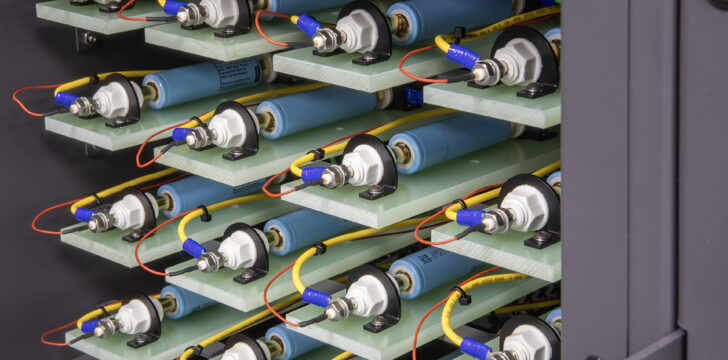
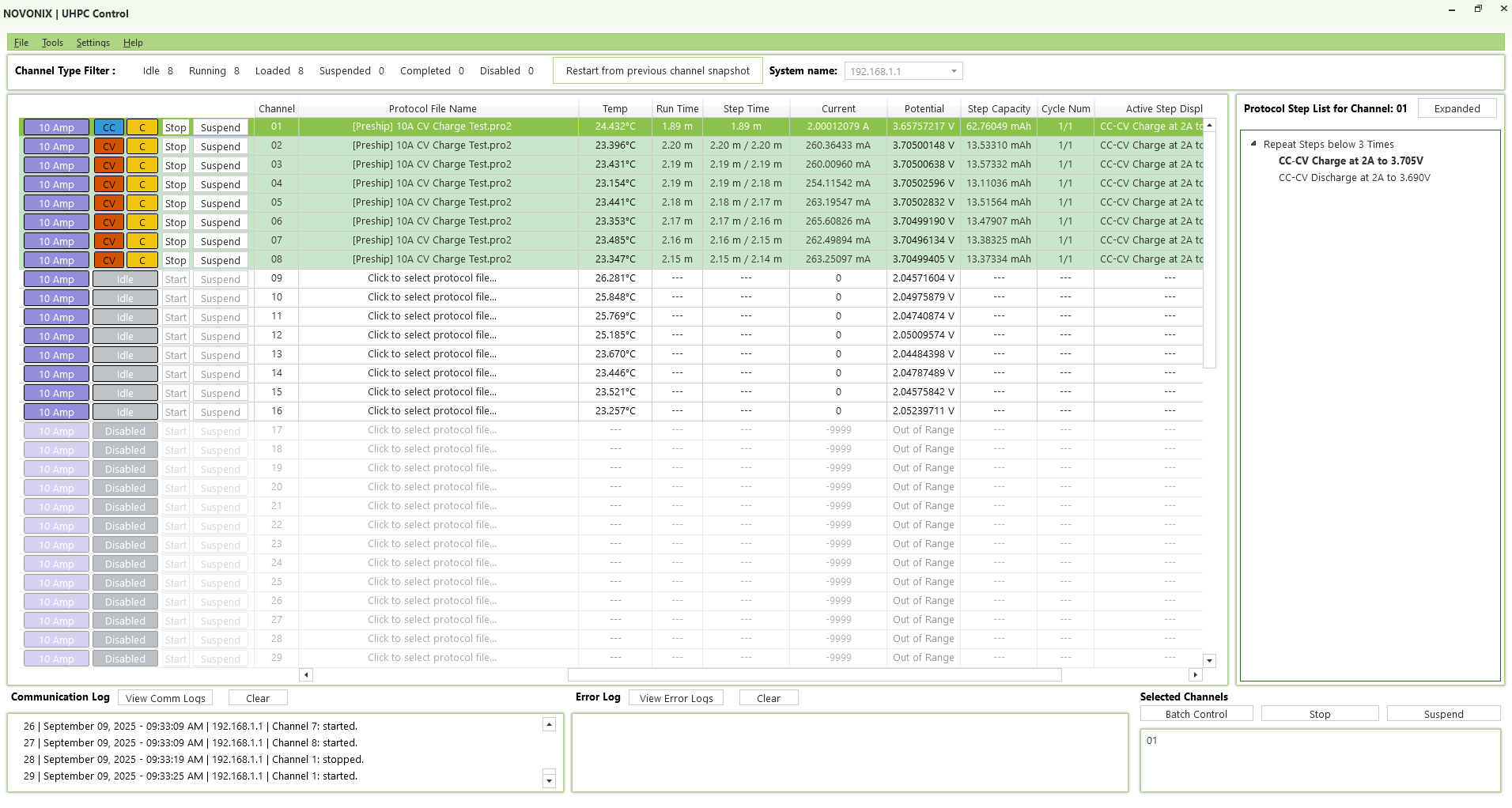
NOVONIX employs a suite of analytical techniques to study degradation mechanisms in detail. NOVONIX Ultra-High Precision Coulometry testing equipment reveals electrochemical degradation mechanisms in unparalleled accuracy and precision, allowing for a more in depth understanding of underlying processes that lead to differences in cell performance. Impedance spectroscopy helps pinpoint growing resistance at various interfaces. Post-mortem analysis (after deliberately dismantling tested cells) allows NOVONIX scientists to examine electrode surfaces for clues like lithium plating or transition metal deposition. By running cells under specific stress tests (like high temperature storage to accelerate electrolyte breakdown, or fast charge to stress lithium plating), NOVONIX can isolate which degradation mechanisms are most problematic for a given cell design. This knowledge directly guides improvements: for instance, if transition metal dissolution from the cathode is identified as a culprit, NOVONIX might explore protective coatings for the cathode or electrolyte additives. Understanding degradation is key to building longer-lasting batteries, and it’s a core part of NOVONIX’s research.